

Why Scaling Comes After Understanding the Rules of Work
Scaling isn’t something you consider until you understand structure, the technical side, and the simple but powerful idea that a person can open a company and formalise what they are already doing.
A mentor of mine once said:
“The only reason we’re behind is because you can’t count six generations back and not arrive at a place where your ancestor lived in a mud house. It all begins with someone thinking and understanding the rules of the game.”
That stayed with me. Not as an excuse — but as a responsibility.
Before growth. Before scale. Before ambition.
There has to be understanding.
Education Is Not Something Poured Into You
I often tell my learners, “I can’t just pour all this knowledge into you. You’re supposed to seek it, think about it, and I can facilitate.”
The aim of education is not obedience or memorisation. It’s independence of thought.
If someone leaves school or university without the ability to think for themselves, then they may have passed — but they haven’t been educated.
Understanding how systems work, especially systems of work and money, is part of that thinking.
Understanding Work and Value
At their core, companies exist to provide value while profiting from systems.
Once you understand this, work stops being something you endure and starts becoming a tool.
Work can create income, credibility, and leverage — but only if you approach it deliberately.
Employment as a platform
Your labour creates value for a company, but in return you gain proof of reliability, a documented income, and experience that counts in formal systems.
Cash-generating assets
Income from work can be redirected into assets that produce money, instead of disappearing entirely into consumption.
Credit and leverage
With a documented work history and paper trail, access to loans or credit becomes possible — allowing you to scale beyond what cash alone can do.
Systems respond to records, not intentions.
Creating Your Own Work
Creating work doesn’t always mean inventing something new. Often, it means formalising what already exists.
The process is rarely glamorous:
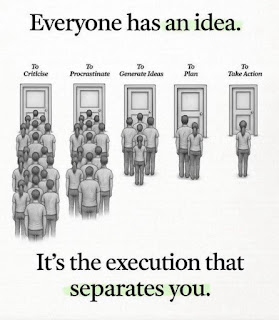
Identify a skill or product
Start small, but take it seriously
Document everything
Scale systematically
Many people work hard but remain invisible to the system because nothing is recorded. Without documentation, effort doesn’t compound.
Passive Income Without the Fantasy
Passive income is not freedom without effort. It is effort placed upfront and managed through systems.
It can take many forms:
Hiring out movable assets
Renting immovable assets
Investments that return capital
Even something as small as selling ice lollies can become scalable when structure replaces improvisation.
Philosophy: Breaking Cycles Through Control
Breaking cycles isn’t about escaping work. It’s about taking control of your labour.
Understanding systems. Creating assets. Scaling intentionally. Reinvesting deliberately.
Freedom doesn’t arrive suddenly. It’s built quietly — through structure, discipline, and understanding the rules of the game.